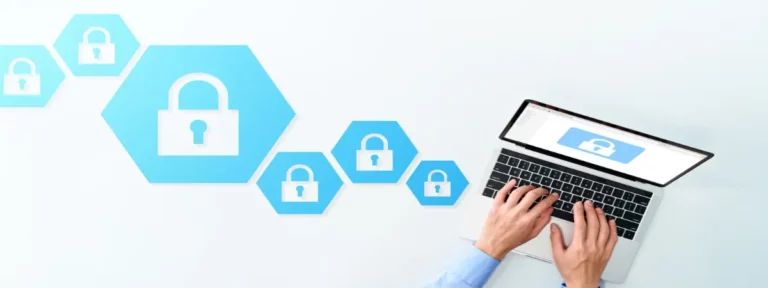
In the realm of Healthcare IT, safeguarding data security and privacy is paramount. Best practices entail implementing robust encryption protocols, access controls, and regular system audits. Employee training on data handling and privacy compliance is crucial. Anonymizing and de-identifying patient data for research purposes upholds privacy. Adopting a multi-layered security approach, utilizing firewalls and intrusion detection systems, fortifies protection against cyber threats. Compliance with industry standards, like HIPAA, ensures adherence to regulatory requirements.

Efficient patient appointment scheduling is crucial for maximizing provider availability and ensuring optimal healthcare delivery. By employing smart scheduling strategies, healthcare facilities can effectively manage the influx of patients while minimizing wait times and maximizing provider productivity. Implementing advanced scheduling software that integrates with electronic health records (EHR) can streamline the process, enabling automated appointment reminders, real-time scheduling updates, and patient self-scheduling options. Additionally, employing predictive analytics and machine learning algorithms can help anticipate patient demand patterns, allowing for proactive adjustments in provider schedules to optimize availability.
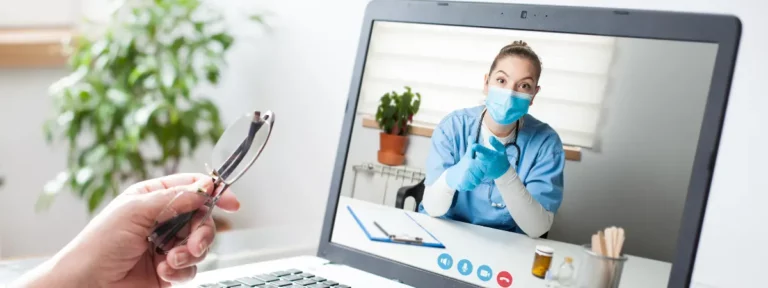
Telemedicine & remote patient monitoring are revolutionizing healthcare delivery. With telemedicine, patients can access quality care from the comfort of their homes, eliminating the need for unnecessary travel. Remote patient monitoring enables healthcare providers to remotely track vital signs and health data, allowing for proactive and personalized care. These technologies improve access to healthcare, especially for rural or underserved populations, and enhance patient engagement and satisfaction. By leveraging telemedicine & remote patient monitoring, healthcare systems can optimize resources, reduce healthcare costs, and provide efficient and convenient care to patients, leading to better health outcomes.
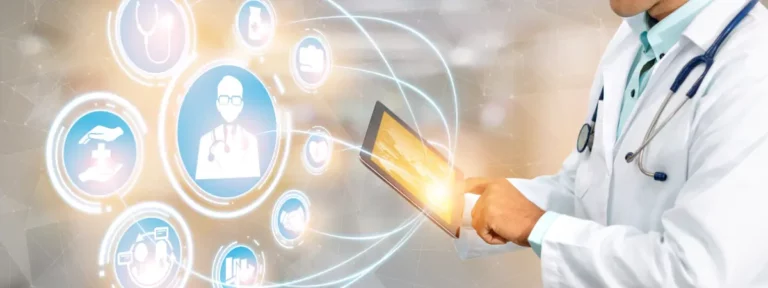
In the fast-paced healthcare industry, optimizing medical practice workflows is crucial for delivering efficient and high-quality care. By streamlining processes, improving coordination, and leveraging technology, healthcare providers can enhance patient experiences, reduce errors, and improve operational efficiency. Workflow optimization involves standardizing protocols, integrating systems, automating tasks, and ensuring seamless communication. It not only benefits patients through improved access to care and smoother transitions but also supports healthcare providers in delivering timely and accurate diagnoses, treatments, and documentation. Embracing workflow optimization is essential for healthcare organizations seeking to thrive in today's demanding healthcare landscape.
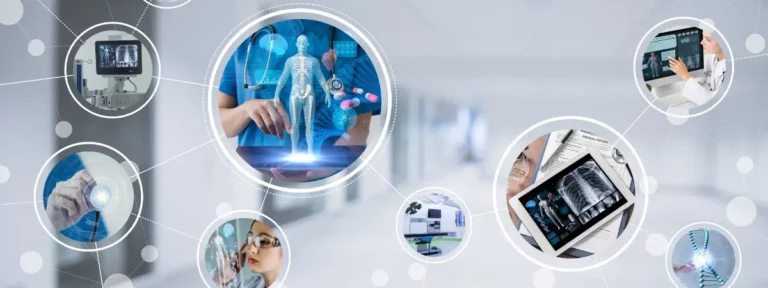
Interoperability in healthcare IT is the key to breaking down data silos and revolutionizing patient care. By enabling seamless communication and collaboration among healthcare systems and applications, interoperability ensures the secure exchange of critical patient information. It eliminates the barriers posed by isolated data silos, allowing healthcare providers to access comprehensive and real-time data, make informed decisions, and improve patient outcomes. Embracing interoperability standards and technologies is essential for unlocking the full potential of health data and transforming healthcare delivery.